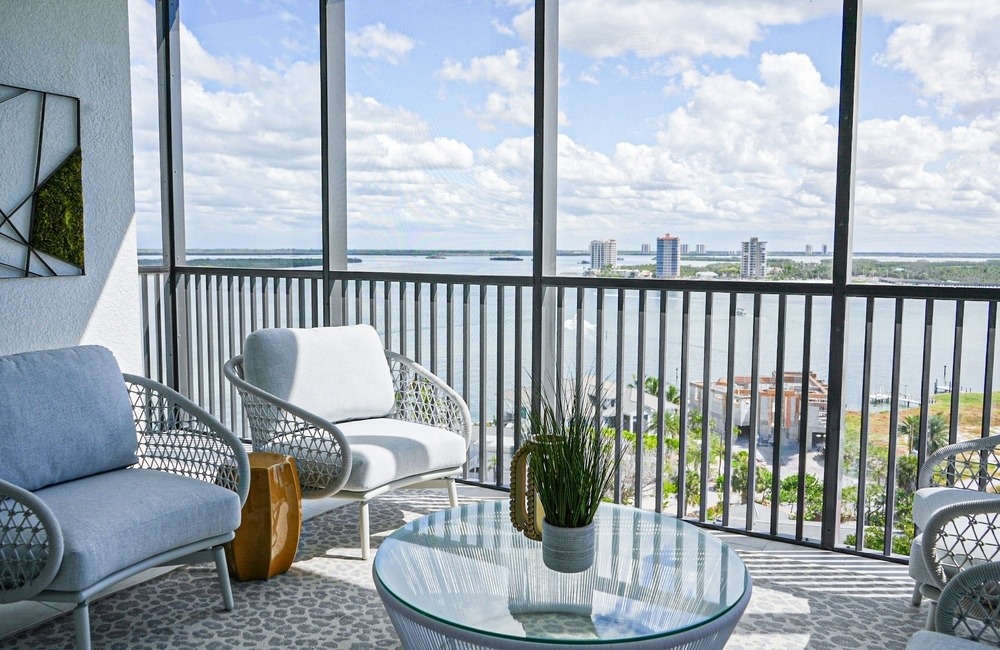
Living along the Southwest Florida coast comes with year-round access to the water, warm weather, and an outdoor lifestyle that draws residents from across the country. It also means understanding how to prepare for tropical weather.
Hurricane season officially runs from June 1 through November 30, with the greatest concentration of activity historically occurring from mid-August through mid-October. For Florida condominium owners, preparation involves more than stocking supplies before a storm. The design of the building, its elevation, impact protection, backup systems, and community storm procedures can all play an important role.
For current and prospective condo owners in Fort Myers Beach and throughout Southwest Florida, here are some of the most important factors to consider.
How Are Modern Florida Condos Designed for Hurricane Conditions?
Florida’s building requirements have continued to evolve in response to the state’s coastal climate and exposure to high winds. The Florida Building Code includes specific requirements for structures in wind-borne debris regions, including protection for glazed openings such as windows and doors.
For buyers evaluating a coastal condominium, some of the building features worth understanding include:
- Impact-resistant windows and doors: Impact-rated glazing is designed to help protect the building envelope from wind-borne debris.
- Structural elevation: Elevating residential spaces and important building systems can help address coastal flood exposure.
- Reinforced construction: Concrete construction, foundation design, and structural engineering all contribute to how a coastal building responds to environmental conditions.
- Backup systems: Emergency power and other building systems can help maintain essential functions when normal utilities are disrupted.
- Water-management features: Coastal construction may incorporate features intended to manage water movement and reduce the effects of flooding.
No building can eliminate every risk associated with a major storm, but understanding these features gives buyers a much clearer picture of how a condominium was designed for its coastal environment.
What Hurricane-Resistant Features Does Grandview at Bay Beach Include?
At Grandview at Bay Beach, hurricane resiliency was considered as part of the tower’s overall coastal engineering.
The 11-story building incorporates several features designed specifically for its Fort Myers Beach location, including:
- Elevated residential and mechanical areas positioned above the building’s lower parking levels
- High-velocity impact glass designed to protect exterior openings without requiring traditional storm shutters
- Post-tensioned concrete slabs and deep-driven piling foundations
- Breakaway walls on lower portions of the building designed to accommodate water movement during significant coastal flooding
- Backup generator systems that support essential building functions, including emergency security systems, fire pumps, and elevators
These features are part of a broader approach to designing a waterfront tower around the realities of Southwest Florida’s coastal setting.
Why Does Impact-Resistant Glass Matter During a Hurricane?
Windows and doors are important components of a building’s exterior envelope. During a hurricane, wind-borne debris can damage unprotected openings, potentially allowing wind and water into a structure.
Impact-rated glass systems are designed and tested to provide additional protection against these conditions. In Florida’s designated wind-borne debris regions, building-code requirements address the protection of glazed openings through approved impact-resistant materials or systems.
For condominium residents, integrated impact glass can also simplify seasonal preparation because owners do not have to install and remove traditional storm shutters each time severe weather threatens the area.
At Grandview, high-velocity impact glass is incorporated into the building envelope as part of the tower’s coastal design.
Why Is Building Elevation Important in Coastal Florida?
Hurricanes can bring more than high winds. Heavy rain, storm surge, and coastal flooding can create significant risks for waterfront properties.
That makes elevation an important consideration when comparing coastal residences.
At Grandview, the main residential floors and critical mechanical systems are elevated above the building’s multi-level parking area. The lower portion of the tower also incorporates breakaway wall design intended to allow significant water or wave action to move through portions of the lower structure without placing the same pressure on the residential tower above.
Prospective waterfront buyers should ask how a building approaches elevation, flood exposure, mechanical equipment placement, and other site-specific coastal considerations rather than focusing solely on finishes or amenities.
What Should Condo Owners Do to Prepare for Hurricane Season?
Even when a building incorporates modern storm-resilient features, individual preparation remains essential.
NOAA recommends preparing before a storm threatens the area rather than waiting until a hurricane watch or warning has been issued. Residents should develop an evacuation plan, gather emergency supplies, review insurance coverage, document personal belongings, and establish a communication plan.
Condo owners should also:
- Review their condominium association’s hurricane procedures before the season begins.
- Know their evacuation zone and route, particularly when living on a barrier island.
- Bring outdoor furniture and loose balcony items inside when directed.
- Keep medications, important documents, water, batteries, chargers, and other emergency supplies accessible.
- Follow instructions from local emergency management officials regarding evacuation and reentry.
- Confirm how building management communicates before, during, and after a storm.
Seasonal residents should make these arrangements before leaving Southwest Florida for extended periods, including confirming who can access the residence if necessary.
What Should Buyers Ask About Hurricane Preparedness Before Purchasing a Florida Condo?
For anyone considering a waterfront condo, storm preparedness deserves a place alongside location, amenities, views, and floor plans during the buying process.
Useful questions include:
- When was the building constructed, and which building-code requirements applied?
- Are the windows and exterior doors impact-rated?
- How are residences and mechanical systems elevated?
- Does the building have emergency backup power?
- What does the condominium association handle before and after a hurricane?
- What are owners responsible for preparing?
- How are residents notified when severe weather approaches?
- What are the property's flood zone and evacuation requirements?
These questions can help buyers better understand both the physical building and the procedures that support residents during Florida’s hurricane season.
Frequently Asked Questions About Hurricane Preparedness for Florida Condos
Are high-rise condos safe during hurricanes?
High-rise condominium buildings in Florida are designed according to building codes and engineering requirements applicable when they are constructed, but no building is completely protected from every hurricane-related risk. Wind, storm surge, flooding, and local evacuation orders can affect each property differently. Residents should always follow official emergency guidance regardless of a building’s construction features.
Do Florida condos need hurricane shutters?
Not necessarily. Condominiums constructed with approved impact-resistant windows and doors may not require owners to install traditional storm shutters over those protected openings. Buyers should verify the specific window and door systems used in the building.
What is the most important hurricane feature to look for in a coastal condo?
There is no single feature that determines hurricane resiliency. Buyers should consider the building as a complete system, including structural engineering, elevation, impact-rated openings, foundation design, emergency power, water-management strategies, and storm procedures.
When is hurricane season in Southwest Florida?
The Atlantic hurricane season runs from June 1 through November 30. Tropical systems can occur outside those dates, so residents should maintain an emergency plan throughout the year.
What should seasonal Florida residents do before hurricane season?
Seasonal residents should review their condominium association’s procedures, secure balcony and outdoor belongings, confirm insurance coverage, document the residence and its contents, establish a local point of contact when appropriate, and make sure they receive community emergency communications while away.
Learn More About Waterfront Living at Grandview
Understanding how a coastal residence is designed is an important part of choosing where to live in Southwest Florida. At Grandview at Bay Beach, modern construction, elevated design, impact-resistant materials, and waterfront living come together within an intimate 58-residence tower on the southern end of Fort Myers Beach.
Explore Grandview’s residences or schedule a private visit to learn more about the building, its waterfront setting, and available move-in-ready homes.